Tuesday, 10 May 2016

Brand Identity-Trend Board


Trend Board Evaluation:


My trend board is bright and colourful and reflects the theme for my final major project. The colour palette consists of pink, orange, purple, plum and black. My theme focuses on the shape and silhouettes of windows with the patterns and colour of stained glass windows. My designs have intricate detailing and patterns but aren't too busy.   


Windows Trend board Inspiration:

AW 2017-18 pattern trend: STAINED GLASS:


Brand Identity.

Previously in this blog I researched about the brand 'Heinz.' Through my research I discovered that they have a huge brand identity through their logo. Mostly everyone recognises the Heinz logo as it is so well known and a popular brand nowadays. When advertising, Heinz don't need a really informative poster or advert, as long as they have their famous brand logo, then they know people will understand that it's their advert. Having a brand identity is key for big businesses. It means that they can have minimal advertising as long as they have a known logo, slogan or image that is used for their business a lot. 
High end designer shops like Chanel and Louboutin all have brand identities that are very different but work in the same way. Chanel have their famous linking 'CC' logo which is added to every bag so that clients know they are getting a legitimate bag from their brand. Having a logo or brand identity on garments or accessories is an easy way to promote a brand too. If a women walks around London all day with a Chanel bag it will draw a lot of attention and the logo on the bag will let everyone know that it is Chanel. Meaning that Chanel are getting the brand seen, without intending to do it. Word of mouth advertising is the biggest success as people always look to their friends and family for advise as they know that it is true and realistic. Louboutin also have a similar idea with their brand identity. The famous red sole on all Louboutin shoes is probably the most famous shoe identity. As Louboutins are very expensive shoes, when a person buys them they want people to know that they are that brand. Like Chanel, Louboutin shoes advertise every time someone wears them as they are so known for the red sole, that everyone who sees them knows straight away the. 

Tuesday, 19 April 2016

What is a Trend Journal?

What is a trend journal?

A trend journal is a source of information about the most important and new trends that will be shaping the future.


Trend Predictions for SS/17-18

SS17 // BLURRED OUT: TRENDS // TREND COUNCIL . WOMEN'S S/S 2017: CORAL REEF | PatternCurator SS2017: FASHION VIGNETTE: TRENDS // TREND COUNCIL - WOMENS AND MENS . FW 2017-18:

What information is in a trend journal?

A trend journal includes:
* Colour palette
*Fabric Swatches
*Inspiration images
*Title
*Written information
*Designer information
*Theme images 
*Prints and patterns
*Textures

Trend Companies?

WGSN
Trendstop.com
Pinterest
Pattern to plan
Promostyl.com
Fashion Trendsetter
Lookbook.nu
Edelkort.com
Fashionising.com
Fashion capital

A day in the life of a trend predictor.

Typical Duties:
Use of subscription based services to help predict trends
Research cultural, economic, world trade and celebrity style trends
Use creativity to come up with new ideas
Maintain and expand relationships with contacts in the industry
Keep track of competition if working in a fashion house
Present research to the designer
Provide operational and creative support to designers


Skills and Interests:
  • Show a keen interest in past and current fashion trends
  • Have a thorough knowledge of the fashion industry
  • Have good networking and communicational skills
  • Be imaginative and creative
  • Have the right I.T skills
  • Be willing to do extensive research

Salary:
Trend forecasters are paid by companies, clients, designers. Anyone who they work for will pay them for doing the vital part of researching for a trend. 


Tuesday, 12 April 2016

Fashion & Trend Forecasting

Fashion Forecasting.


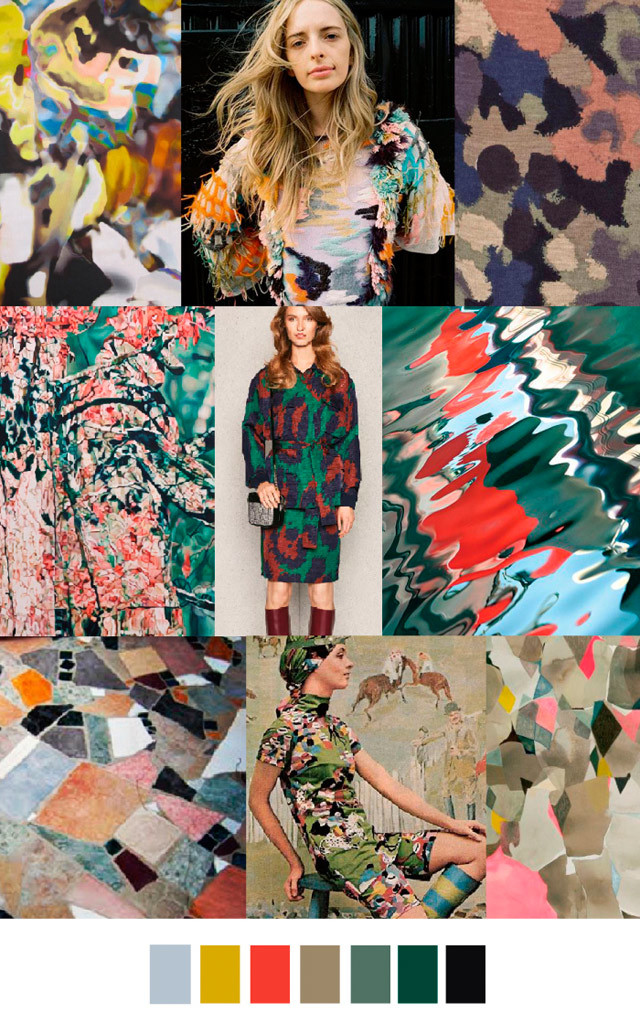
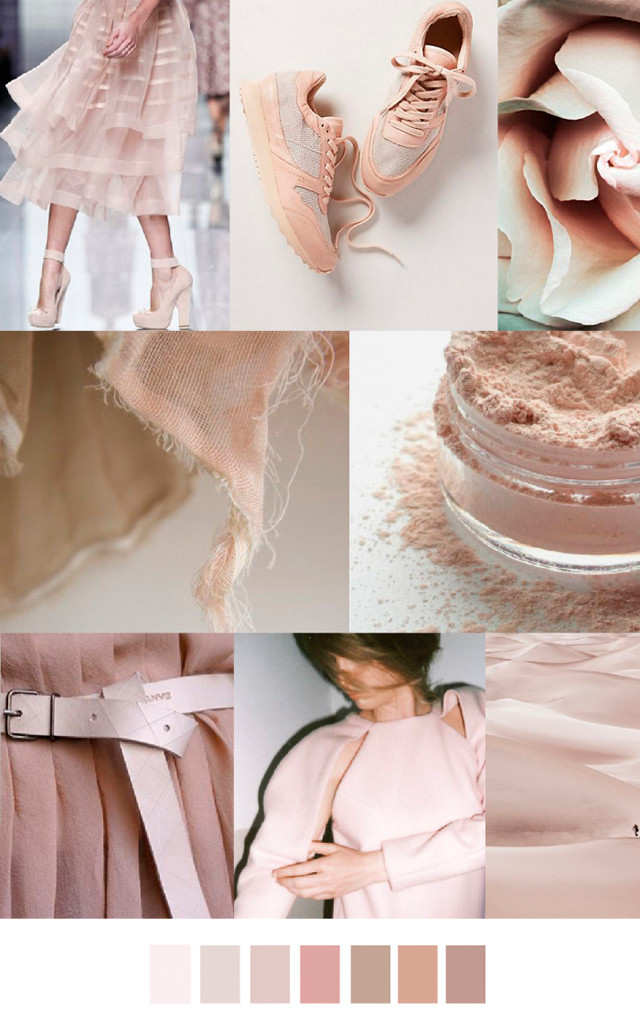
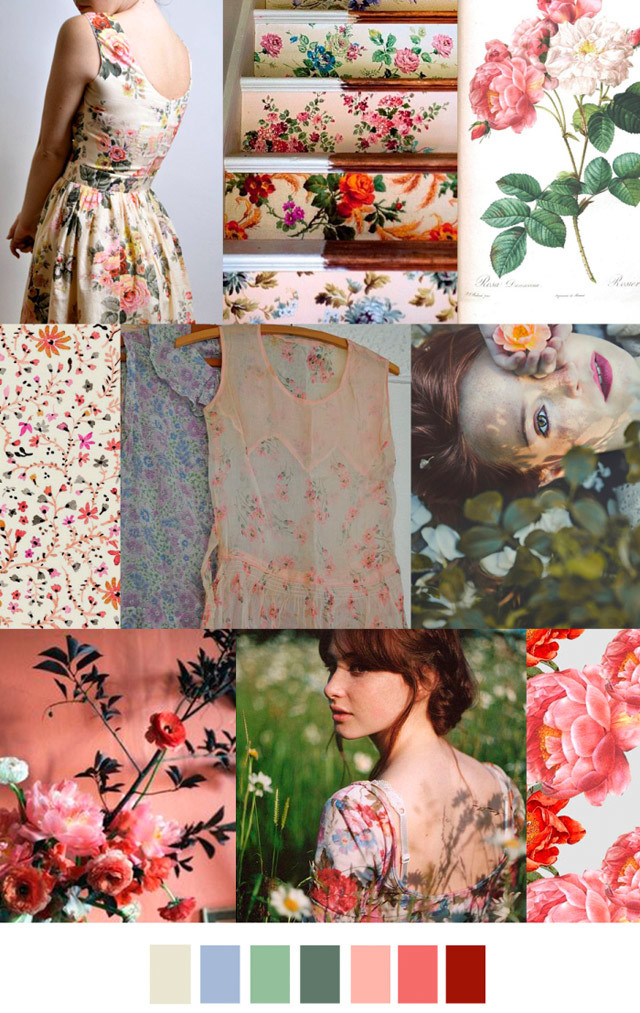
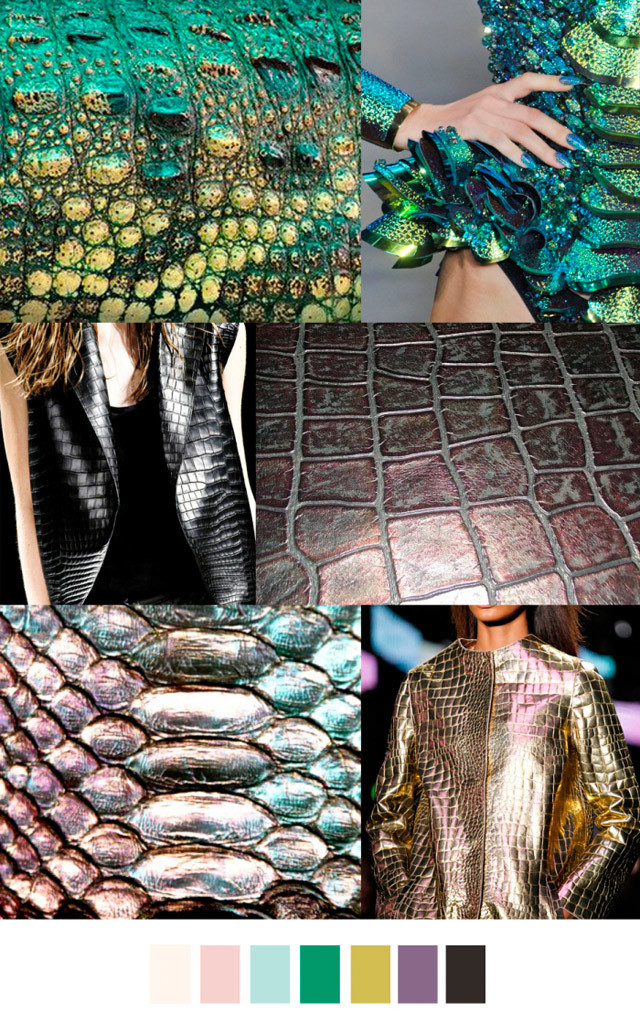
Collaborative Trend Forecast Mood Boards, Women's Spring 2017 Preview

https://www.weconnectfashion.com/articles/collaborative-trend-forecast-mood-boards-women-s-spring-2017-preview

collaborative-trend-forecast-mood-boards-women-s-spring-2017-preview-interpretive-camo

collaborative-trend-forecast-mood-boards-women-s-spring-2017-preview-pale-blush

collaborative-trend-forecast-mood-boards-women-s-spring-2017-preview-garden-variety


collaborative-trend-forecast-mood-boards-women-s-spring-2017-preview-crocodile-hunter

What is a Trend Prediction?

Trend prediction is a career that focuses on the upcoming 

fashion trends and styles. They help to choose the final 

colours, fabrics, textures, materials and prints. These will be 

finalised by designers and presented on a catwalk show for 

upcoming seasons.

Difference between Fashion Forecasting and Trend Forecasting?

A fashion forecaster looks into predicting the colours, fabrics, textures, materials, prints and trims that will be popular for the upcoming seasons. This is vital information as it is needed to create the final looks and style for a catwalk show. 


A trend forecaster looks into predicting the shapes, cuts, styles and silhouettes of clothing. This is needed to create the overall look of the garments worn on the catwalk. 


What is long-term and short-term forecasting?

The process of long-term forecasting is analyzing and evaluating style. The trends can be identified by scanning a range of sources for the information that is needed. 

Short-term forecasting is about events that are happening now, in present time. It focuses on identifying what's going on in the world and then communicates this through seasonal colour palettes, fabrics and silhouettes  to a client or customer. 

Politics, Social, Ecological, Legal, Technological.

Working in a group we wrote down the key factors under politics, social, ecological, legal and technological. We looked at how these can effect fashion and what has happened lately or in the past to do with these factors. 


Global Warming and Climate Change

Making Climate Change Fashionable 
In Paris, climate change was the talk of the city. Lots of  industry's, other than energy production, are important sources of greenhouse gas emissions – agriculture, iron and metal smelting, cement production, waste treatment and…the fashion industry.
Fashion has been blamed for releasing carbon emissions and creating a bad climate in the atmosphere.
The fashion industry accounts for 10% of global carbon emissions and remains the second largest industrial polluter, second only to oil.
This isn't that surprising since it’s a £4 trillion global industry. The apparel market in the United States tops the world, contributing close to a third of the global total.
Wool, linen, old-fashioned denim and hand-tooled leather make these outfits hundreds of times more eco-friendly than ordinary cotton and polyester. Source: Zady
Some well known fashionistas are looking seriously at the industry’s role in environmental pollution and climate change. Zady is one of these new sustainable fashion brands and is a leading voice of the slow fashion movement that has created online resources for consumers to learn how their clothing decisions can have a large impact on the environment.
And they present some amazing facts:
-  Nearly 70 million barrels of oil are used each year to make the world’s polyester fiber, which is now the most commonly used fiber in our clothing. But it takes more than 200 years to decompose.
- More than 150 billion garments are produced annually, enough to provide 20 new garments to every person on the planet, every year.
- Americans throw away about 70 lbs of clothing per person every year.


My Views:

As a fashion student I am very interested in the fashion industry and how clothes are produced, promoted, and sold to customers and clients. I am also very into the environment and keeping things green and a healthier world to live in. I personally understand that because the fashion industry is so popular and is a necessity for day-to-day life that it is inevitable that it will create pollution and unhealthy emissions. Saying this i believe that there are ways in which the industry can cut down on the amounts of carbon emissions and pollution being emitted into the air. 
To do this I think we need to make more people aware of the problem. When we think of pollution, we envision coal power-plants, raw sewage piped into out waterways and strip-mined mountaintops. Most people don't understand or have the knowledge that in fact, the clothes we wear everyday impact the climate and environment more and more everyday. 
I personally believe that if people were more aware of how garments are made and produce emissions that are ruining the world, they would be more interested in learning about what clothes produce less harm to the environment. This way the companies that manufacture clothes that produce a lot of harm would go down in business as more people would be opting for the healthier production of clothes to the environment meaning that in the long run, wither the companies would opt for a lower emission production service or would ultimately end up closing down. 

Trickle Up, Trickle Down and Trickle Across.

Trickle Up:

The theory of 'Trickle-Up fashion' is when a style or trend that is started and worn by a lower income group of people. These everyday people make the trend popular and the specific style is copied by catwalk fashion that is more high end. 

Trickle Down:

The theory of 'Trickle-Down fashion' is the opposite of trickle up. High end designers produce trends and styles that become very popular and worn a lot. High street stores then use the designs as inspiration for their own designs. 


Trickle Across:
The theory of 'Trickle-Across fashion' is when a shop is able to appeal to a large variety of people with different price ranges and styles. It does this while still being produced on a mass basis. It suits a wide range of peoples budgets and style and appeals to lots of customers. The stores normally split into different sections where they have high street at one side and high end at the other so the customers can go over and look through the section that suits them the best. 

Tuesday, 15 March 2016

Minimum Wage; How it affects Fashion?

Cashhttps://www.gov.uk/guidance/rates-and-thresholds-for-employers-2015-to-2016

National Minimum Wage

The National Minimum Wage is the minimum pay per hour almost all workers are entitled to by law. 
The rates below are from the 1st October 2015 and are likely to change again on 1 October 2016 as they usually go up every year. 
Category of workerHourly rate
Aged 21 and above£6.70
Aged 18 to 20 inclusive£5.30
Aged under 18 (but above compulsory school leaving age)£3.87
Apprentices aged under 19£3.30
Apprentices aged 19 and over, but in the first year of their apprenticeship£3.30
Previous years minimum wage 2010-2015

Year21 and over18 to 20Under 18Apprentice*
2015 (current rate)£6.70£5.30£3.87£3.30
2014£6.50£5.13£3.79£2.73
2013£6.31£5.03£3.72£2.68
2012£6.19£4.98£3.68£2.65
2011£6.08£4.98£3.68£2.60
2010£5.93£4.92£3.64£2.50

UK's low wage workers are to see the national minimum wage, which currently stands at just 6.50 pounds per hour, rise to 7.20 pounds for over 25s and rising to 9 pounds by 2020.
Whilst this is great news for workers struggling on a low income trying to survive in one of the most expensive cities in the world, the fashion and retail industry has warned its sector faces a huge rise in labor costs after the government's promise to raise the national wage.
From April next year, businesses will be required to increase the wage, with some high street retailers, like Next, already issuing profit warnings. Next has stated the National Living Wage will cost the business 27 million pounds each year from 2016 until the end of the decade.

Next will see its wage bill increase to 147 million pounds

Next year's increase will cost the business just 2 million pounds but thereafter the increases will be much higher, taking the total wage bill to 147 million pounds by 2020.
The retail industry is, of course, staffed by many low-wage workers. Boutique assistants and stockroom staff are some of the lowest paid jobs in the country, despite being part of a key sector to the UK economy. The fashion industry employs nearly 3 percent of the population at just under 800,000 workers. Many of whom are on the minimum wage.


My Views:

I believe that as the minimum wage increases each year, retailers and companies start to loose out on money as they have to pay their workers a higher wage which cuts into there profits. You would think this is the case but i personally think that when the wage goes up, so does the companies price that they charge. For example, if the minimum wage goes up by 20p then a business like Topshop would increase there prices of clothes by 20p, if not more. They would do that so they don't end up loosing a profit. I also believe that they need to do this because if the minimum wage rises so does the cost of their manufacturing and producing the garments as they need to pay those workers more meaning that the average production of a garment goes up. If they kept the price of the clothes the same when the minimum wage rises each year, then they would end up loosing a large amount of their profit. This is because they would be paying their workers from each part of the cycle a higher amount but they wouldn't be getting the money from anywhere but there profits. But if there profits are rising then it doesn't matter if they cut into it a little to pay the workers more.
I believe that increasing the minimum wage each years seems like a great idea but it reality i think that increasing the wage means increasing the price of living. Workers will be paid more but  household items, clothes, groceries and leisure would also increase in price meaning that by upping the wage doesn't actually increase your overall income.